
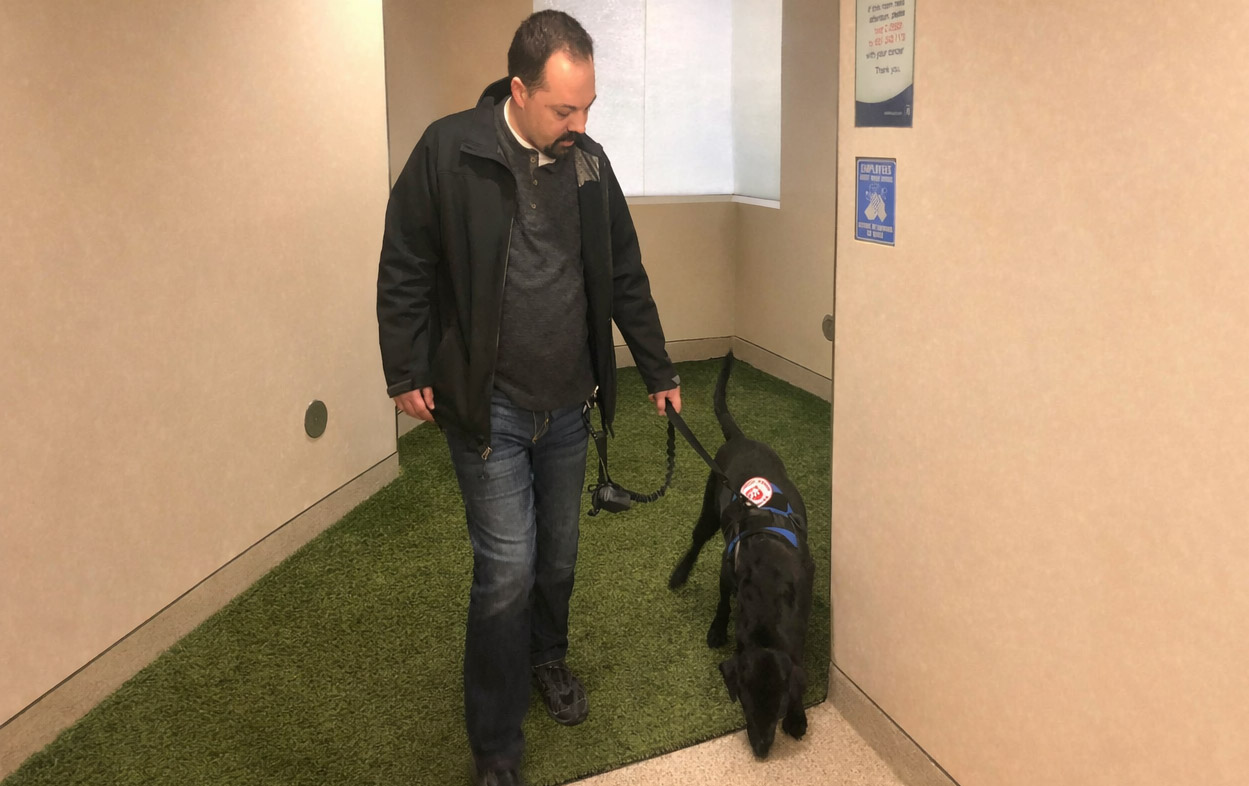
Placement is the start of a working partnership. The goal is long-term success for the veteran and long-term well-being for the dog. That is why support is available after graduation, not only during training.
What Ongoing Support Includes
-
Check-ins and follow-up coaching
-
In-home sessions when needed
-
Skill maintenance and refresher training
-
Documentation and case management tied to the placement
-
Guidance through life changes that affect the team
-
Retirement planning as the dog ages
The amount of follow-up varies by team, because each veteran’s needs are different. Follow-up support is provided as long as Pawsitivity is operating and able to offer services.
The Transition Period
The first weeks after graduation are the most important because the dog is adjusting to a new home and the veteran is learning handling and reinforcement in real routines.
Support during this phase focuses on:
-
Building a daily schedule that supports working behavior
-
Reinforcing cues and task work consistently
-
Practicing calm public access behavior
-
Creating a simple plan the veteran can follow at home
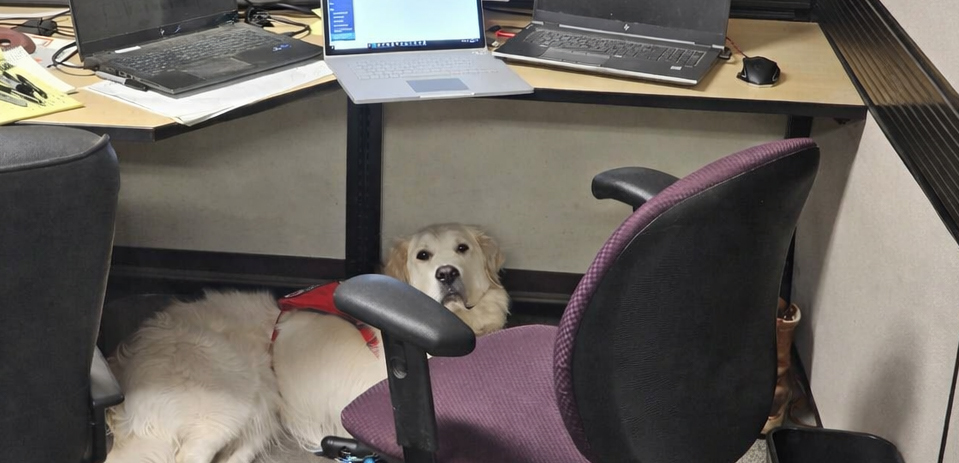
Ongoing support helps teams succeed in real routines like working from home or at the office.
Check-Ins and Coaching in Real Settings
Real success is built in real environments, including homes, sidewalks, stores, appointments, and community settings.
When needed, follow-up coaching can focus on:
-
Handling and leash management
-
Task reliability with real distractions
-
Building consistency across settings
-
Problem-solving when routines change
Skill Maintenance and Extra Support When Needed
Service dog skills stay strong when they are practiced and rewarded. Even a well-trained dog can benefit from refresher work after disruptions like illness, a move, or a major schedule change.
When something needs attention, support typically starts with understanding what is happening, then building a clear plan, then coaching until the team is back to full reliability.
Health, Wellness, and Working-Dog Readiness
Additional support can include guidance on:
-
Preventative wellness routines
-
Conditioning and healthy weight
-
Signs of stress or fatigue
-
When rest or reduced workload is needed
-
How health changes can affect working performance
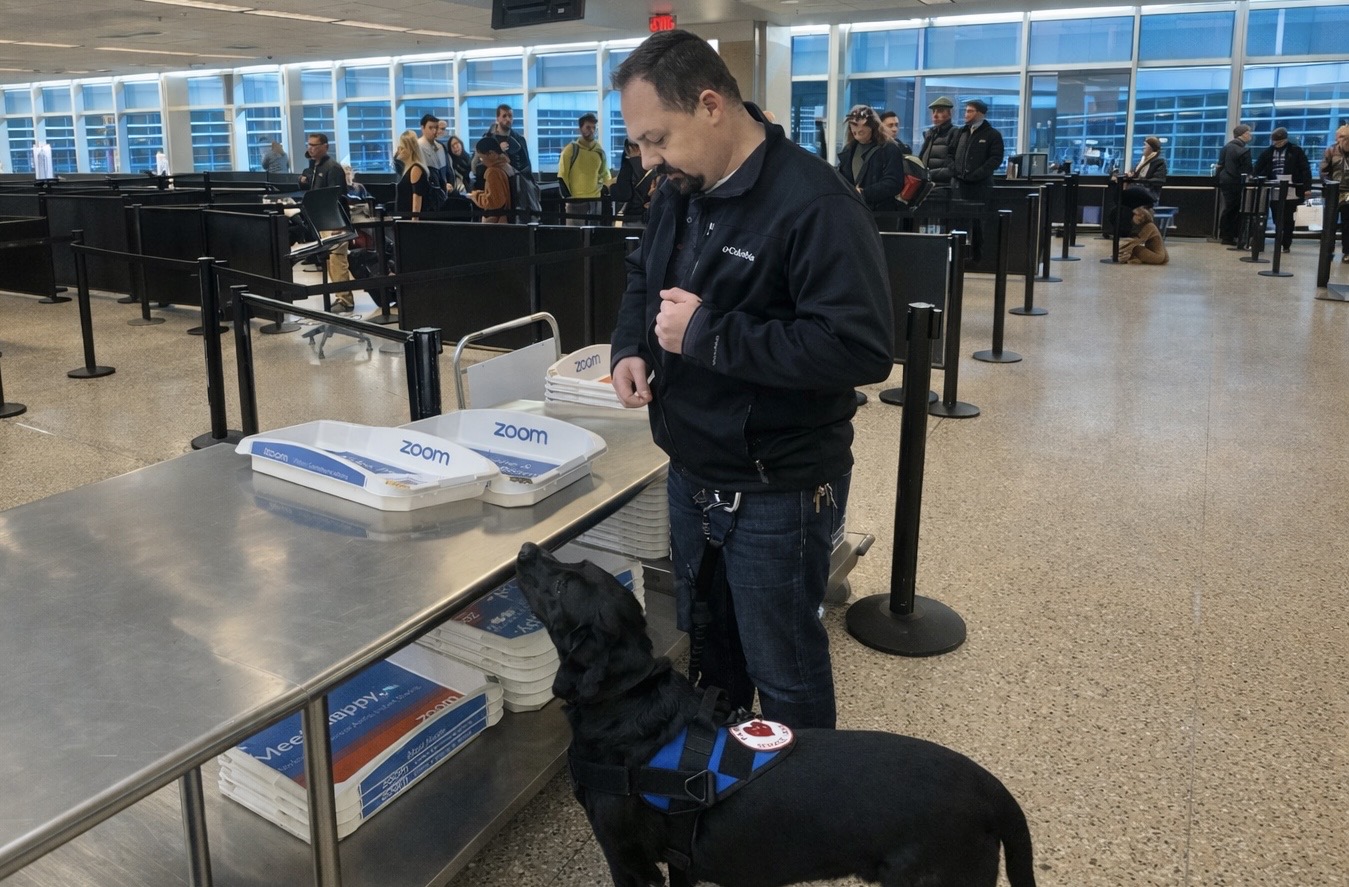
Graduates use their service dogs in everyday settings, from airports to medical appointments, with Pawsitivity available for ongoing guidance.
Equipment and Safety Support
Gear affects comfort, safety, and public access. Support can include guidance on fit, wear over time, and replacing worn equipment when needed. Veterans can personalize patches when it supports clear public access messaging and remains consistent with program standards.
Life Changes and Retirement Planning
Teams change over the years. Veterans move, start jobs, change schedules, and face changes in health. Dogs age. Ongoing support helps the team adapt without losing reliability. If a team needs support beyond what we can provide, we help identify appropriate local resources.
A service dog does not work forever. Retirement planning includes recognizing signs of aging, reducing workload when needed, supporting quality of life for the dog, and helping plan next steps when the time is right.
Many teams also evolve in ways people do not expect. Some veterans rely less on service-dog tasks over time as they become more aware of early signs of rising stress, using the dog’s responses as a cue to pause, regulate, and use the coping tools they have practiced. Others continue to benefit from a working dog and may choose to train with a successor when the time is right. In those cases, we help plan the transition and, when appropriate, support the veteran in taking a more active role in training the next dog.
What Support After Placement Requires
Continuing support takes time and resources, including follow-up coaching, refresher training, travel when needed, and placement-related follow-up records.