
How Pawsitivity began
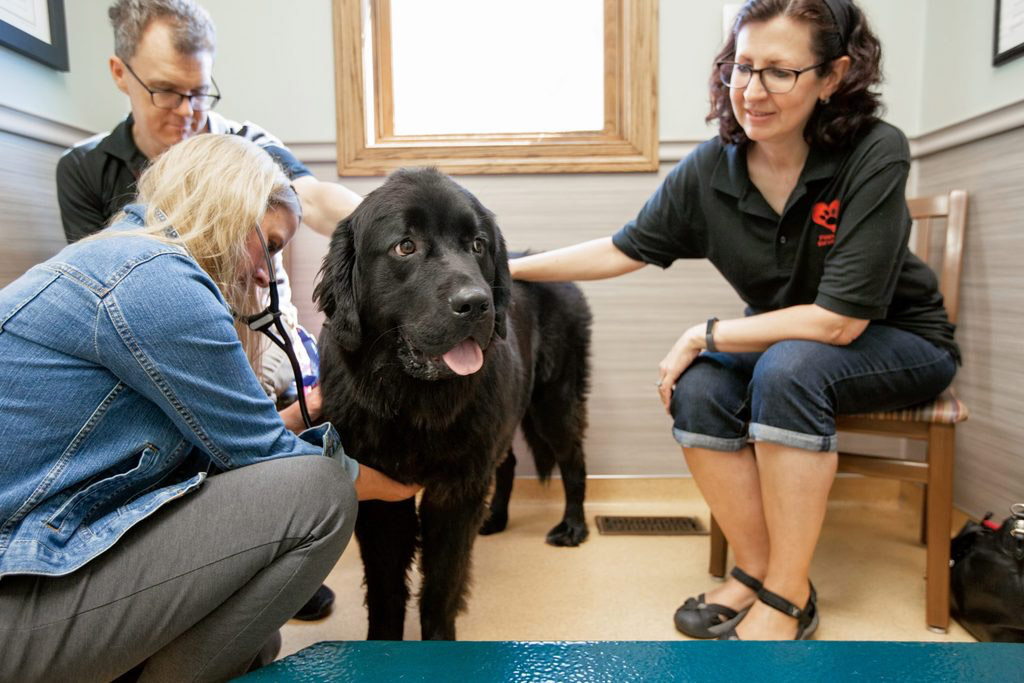
We weren’t planning to start a nonprofit.
We were working with therapy dogs when a family told us their child’s dog was helping more than any clinical intervention. What they truly needed was a professionally trained service dog. The programs they found were standardized and built around narrow eligibility criteria.
Their situation was more complex.
As we met more families, we saw the same pattern. Trauma. Layered disabilities. Home environments that required individualized training. Many of the parents were veterans living with PTSD themselves.
We realized there was room for a different model. Smaller. Individualized. Built around the person, not the program.
So in 2012, we founded Pawsitivity.
Today, we train and place highly skilled service dogs for U.S. military veterans with PTSD and other disabilities, using training designed for complex, real-world needs, at no cost to the veteran.
At a glance
-
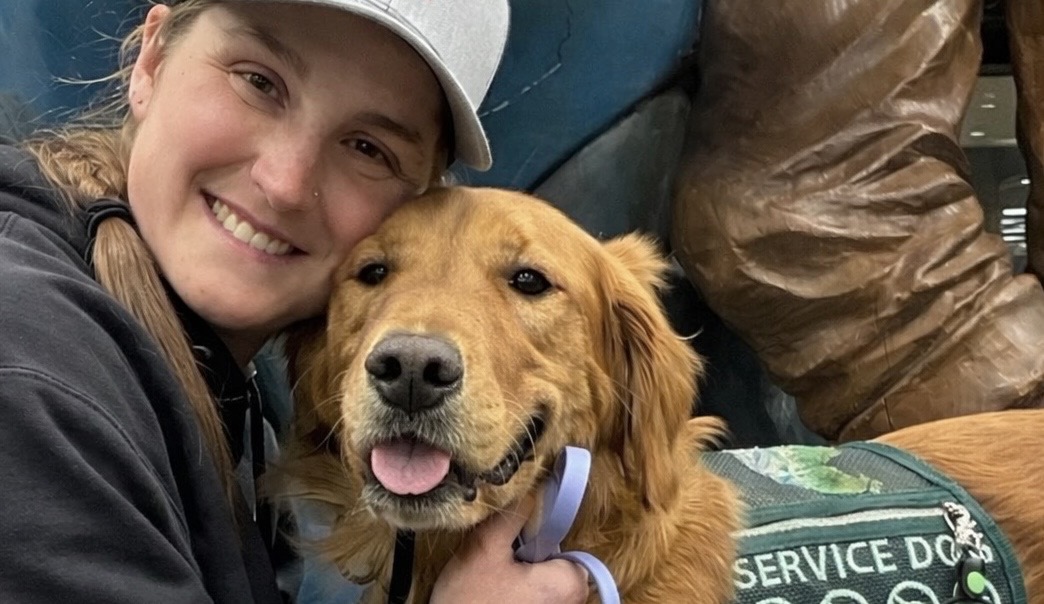
Founded in 2012
-
84% of expenses directed to programs
-
Independent third-party Impact Evaluation rated outcomes “substantial and often life-changing”
-
4-Star Charity Navigator | GuideStar (Candid) Platinum | Charities Review Council “Meets Standards” (Highest Rating)
- Rated 100 out of 100 by Charity Navigator
How we work
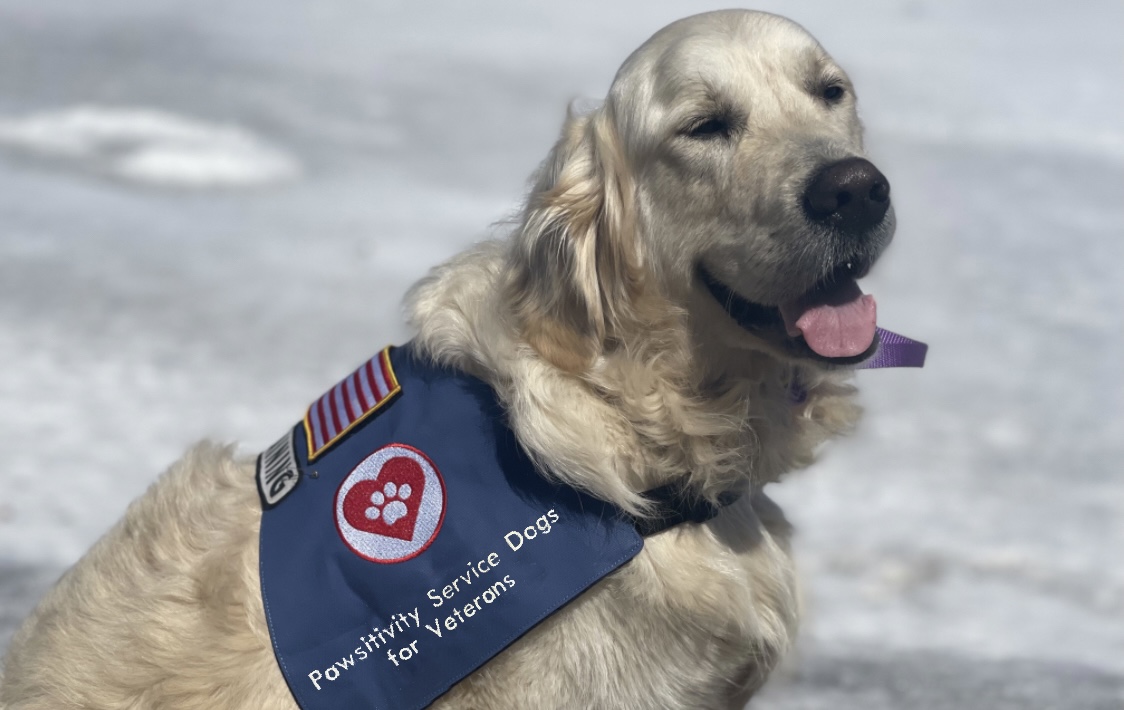
We use positive reinforcement methods grounded in current research to build reliable, task-trained service dogs. Our approach aligns with modern best practices, including those used in U.S. military working dog programs. We are a full member of Animal Assisted Intervention International (AAII) and follow their professional standards.
Why it matters
Veterans with PTSD often struggle with hypervigilance, sleep disruption, isolation, and daily functioning. A properly trained service dog can interrupt panic episodes, create physical security, restore independence, and reduce suicidal ideation.
But many veterans face complex, layered disabilities that require specialized training. Research shows a 1.5x return on investment[1] through reduced caregiver costs alone, not counting quality of life gains. Our veterans also develop self-management skills that persist long after their dog’s working life ends.
This work saves lives.
Who is Pawsitivity Service Dogs for Veterans?
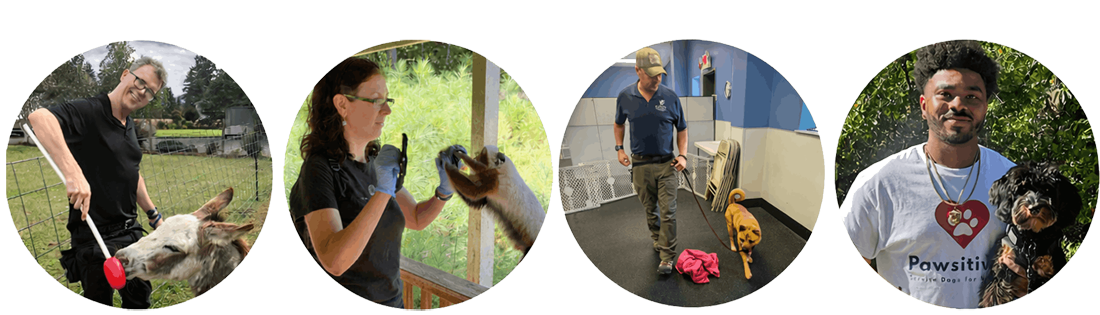
Our co-founders Tom and Julie (left) with two of our certified trainers.
Leadership
Tom Coleman is the co-founder and Executive Director of Pawsitivity Service Dogs for Veterans. Since 2012, he has led the organization’s strategy, veteran partnerships, and donor development. Tom holds a B.A. from Carleton College and a Master’s degree in Theatre Directing from Northern Illinois University and is the co-author of Service Dogs: The Rescue and Training of Heroes, winner of the 2016 Midwest Book Award.
Julie Coleman is the co-founder and Head Trainer of Pawsitivity. A certified professional dog trainer (CPDT-KA), she leads all training programs and works directly with each veteran–dog team. Trained at CATCH Dog Training Academy and the Karen Pryor National Training Center, Julie specializes in individualized, positive reinforcement–based training tailored to each veteran’s needs. She co-authored Service Dogs: The Rescue and Training of Heroes and holds a B.A. in Psychology from Carleton College.
Our Team
Our trainers include military veterans and certified dog professionals. This peer-to-peer approach means they understand PTSD triggers, military culture, and the specific environments our veterans navigate. They’re committed to training dogs that help veterans feel safer and function better in daily life.
Our certified trainers include Peter Bannon, Rylie Peterson, and Alex Wells, all military veterans.
Partners and Professional Providers
Pawsitivity is listed as a trusted service dog resource by the Minneapolis VA Medical Center and the Epilepsy Foundation of Minnesota. We also collaborate with the University of Wisconsin River Falls through joint research and consultation on service dog training, and we have been consulted by the U.S. Department of Justice on federal service dog guidance.
Pawsitivity is supported by professional advisors in veterinary medicine and psychology who advise us on veterinary care, behavior standards, and program quality.
|
“He saved my life. He's my guardian angel." -Pawsitivity client |
References
[1] Diepenhorst, M., Weijnen, T., & Van Vree, F. (2010). Kosten en effectiviteit van hulphonden. Eindrapport. Een onderzoek in opdracht van het College voor Zorgverzekeringen. Zoetermeer: Research voor Beleid.
Learn more
➡️ Why service dogs help veterans
➡️ How dogs are selected and trained
Your gift funds the next service dog in training.