

This page provides donors and grantmakers with clear, verifiable information about program impact, financial oversight, and organizational accountability.
Organization details
- Pawsitivity is a 501(c)(3) nonprofit founded in 2012
- EIN 47‑1446634
Transparency
Donors and grantmakers should be able to review a nonprofit’s finances and outcomes easily. Below are Pawsitivity’s annual reports, IRS Form 990s, and CPA-reviewed financial statements.
Financial documents (most recent years):
2025
2024
2023
Results
Your donation helps save the life of a veteran, backed by documented outcomes.
- Independent Impact Evaluation documented substantial improvements in daily functioning and quality of life.
- Clients report improvements in PTSD symptoms, anxiety, and daily functioning, including returning to work or school.
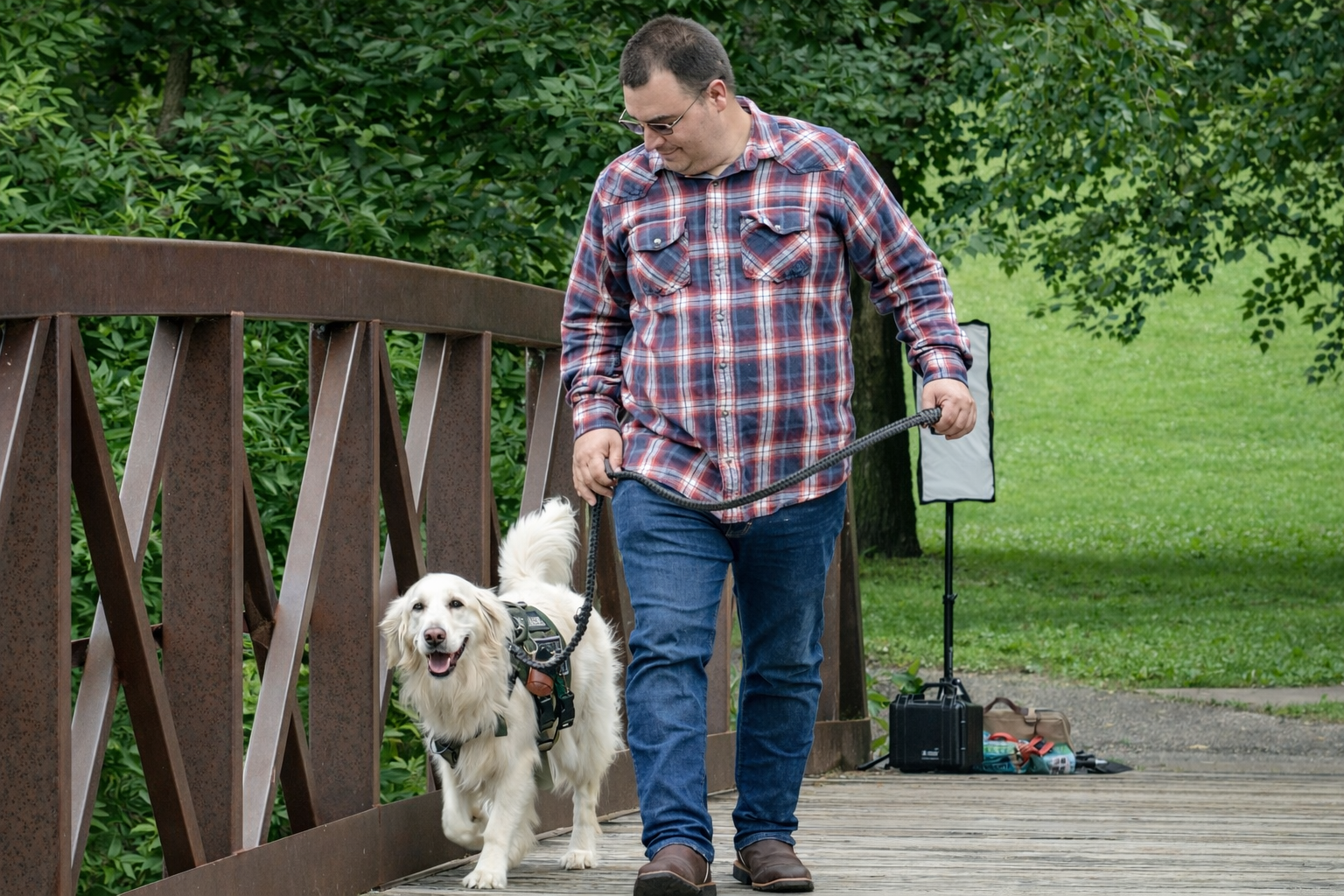
How your donation is used
In 2025:
- Programs: 84%
- Administrative costs: 8%
- Fundraising costs: 9%
An 84% program spending rate meets or exceeds standards used by independent nonprofit evaluators.
Cost to veterans
Pawsitivity service dogs are provided to veterans at no cost. Veterans are not charged fees and are not required to fundraise. The full cost of training, placement, and ongoing support is covered through donations, grants, and community partnerships.
This model ensures that financial barriers do not prevent veterans from accessing a trained service dog.
Accountability
Independent charity evaluators recognize Pawsitivity for strong accountability and transparency. Charity Navigator, Guidestar, and Charities Review Council profiles and ratings are publicly available on their independent nonprofit oversight sites.

Additional indicators of financial stability
Some donors look beyond program percentage and review financial stability. Pawsitivity’s financials show long-term strength:
- We carry no debt and maintain board-designated operating reserves to ensure program continuity.
- We are supported by a mix of individual donors, foundations, and community partners, reducing reliance on any single funding source.
- We complete an independent CPA review each year.
Return on investment
Service dogs deliver measurable impact for veterans and can also reduce costs. In one study, researchers estimated about a 1.5x return in reduced caregiver expenses[1], and that figure does not capture quality of life gains, independence, or other long-term outcomes. A three-year randomized trial by the U.S. Department of Veterans Affairs confirmed that service dogs for veterans improved quality of life, reduced PTSD symptoms and depression, and reduced suicidal thoughts[2].
Beyond immediate benefits, these impacts endure. Well-trained PTSD service dogs alert veterans to rising anxiety and stress, providing real-time biofeedback. Over time, veterans learn to recognize these signs independently and apply coping skills sooner. These self-management abilities continue long after the dog’s working life ends, which is why research consistently shows long-term benefits from service dog partnerships.
These findings align with Pawsitivity’s own independent, third-party Impact Evaluation, which assessed client outcomes and confirmed meaningful improvements in daily functioning, well-being, and long-term independence for the people we serve.
➡️ Read our independent Impact Evaluation
Contact
Pawsitivity Service Dogs for Veterans
197 Griggs St N, St Paul, MN 55104
651-321-3647
[email protected]
References
[1] Diepenhorst, M., Weijnen, T., & Van Vree, F. (2010). Kosten en effectiviteit van hulphonden. Eindrapport. Een onderzoek in opdracht van het College voor Zorgverzekeringen. Zoetermeer: Research voor Beleid.
[2] Richerson, J. T., Wagner, T. H., Abrams, T., Skelton, K., Biswas, K., Illarmo, S., McSherry, F., Fallon, M., Frakt, A., Pizer, S., Magruder, K., Groer, S., Dorn, P., Huang, G., & Stock, E. (2023). Therapeutic and economic benefits of service dogs versus emotional support dogs for veterans with PTSD. Psychiatric Services, 74(8), 790–800. https://doi.org/10.1176/appi.ps.20220138
Related pages
➡️ Why service dogs help veterans